
Now Reading: Frank Bello Recalls Warnings About the Anthrax and Public Enemy Tour Despite Sold-Out Shows
- 01
Frank Bello Recalls Warnings About the Anthrax and Public Enemy Tour Despite Sold-Out Shows

Frank Bello Recalls Warnings About the Anthrax and Public Enemy Tour Despite Sold-Out Shows
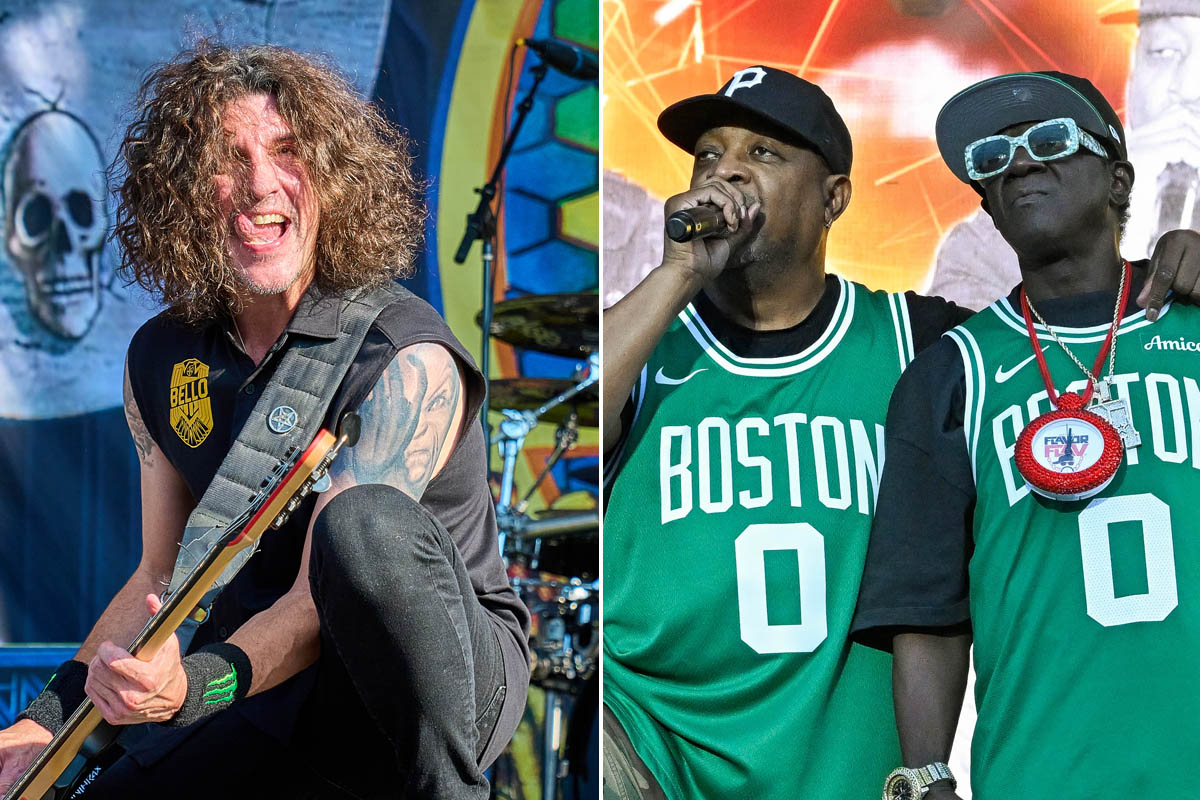
Frank Bello remembers being warned that the Anthrax and Public Enemy tour would face problems, but he said the shows brought fans together and sold out across the board, speaking on #WhosABadass.
When the tour was first planned, there were concerns about how different audiences would respond to the collaboration. Bello reflected on those early doubts and what actually happened at the venues.
“I remember when we, when we started, uh, talking about touring, ‘Oh, there’s going to be a race problem,'” Bello said.
“All those shows were just people getting together for one cause and that was music and nothing else,” he continued. “And guess what? Those shows, they were all sold out. It was insane, that tour.”
Bello also spoke about the broader impact of the partnership. “It did create other, other music. It really did. Other bands started from that and I love that because that’s what it’s supposed to do,” he said.
Looking back at the experience behind the scenes, Bello added warm memories of the tour. “Backstage was even more fun,” he said. “I love Primus. They opened a lot of those shows back in those days.”
The tour was part of the groundbreaking “Bring the Noise” collaboration between the two bands. Bello’s comments show how the feared cultural clash never materialized, and instead created something that influenced other musicians.
The partnership between Anthrax and Public Enemy began in 1991 with a cover of “Bring the Noise” on Anthrax’s Attack of the Killer B’s. The original track came from Public Enemy’s 1988 release and had already name-checked Anthrax. The joint tour started on September 24, 1991, in Poughkeepsie, New York, with support from Primus and Young Black Teenagers. The tour reached the UK in January 1992. Chuck D acknowledged at the time that both bands had an equal chance of losing fans from their separate audiences, but the collaboration turned out differently than those early fears suggested.
The audiences on the tour proved to be more welcoming than expected. Scott Ian reported that rap fans were polite to Anthrax and rock fans were respectful toward Public Enemy, contradicting the warnings about cultural conflict. The tour’s impact extended beyond the immediate shows and influenced the music scene that followed.
The connection between this tour and later musical styles has been discussed for years. Some musicians credited the Anthrax and Public Enemy collaboration with opening their eyes to new possibilities, though Scott Ian has been cautious about claims of direct influence. The tour demonstrated that metal and hip-hop audiences could share the same space and appreciate different artists performing together.